

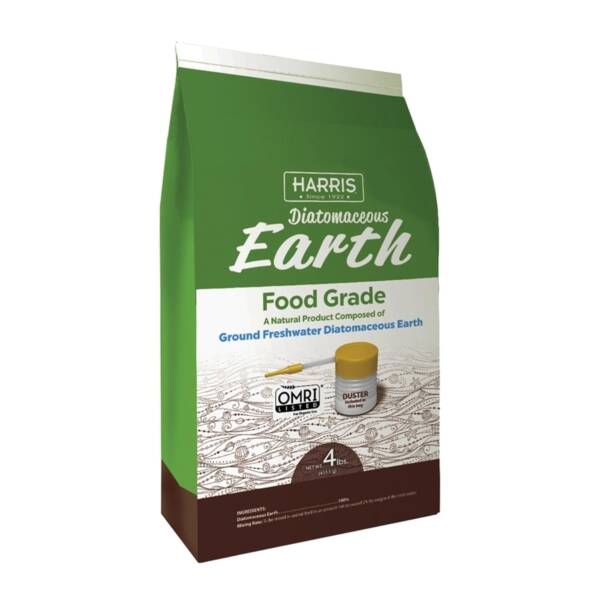
Diatomaceous Earth, Oh My! A Natural Powerhouse for Detox & Pest Control
In a world overwhelmed by synthetic chemicals and hidden toxins, nature still offers some of the most powerful tools for wellness and protection—one of which is Diatomaceous Earth. Known as DE, this fine, chalky substance is more than meets the eye. From detoxifying the body to killing pests and deodorizing the home, DE is a vital part of any natural living toolkit.
Let’s take a deeper look at why this fossilized wonder deserves a place in your wellness and household routine.
What Is Diatomaceous Earth?
Diatomaceous Earth is composed of the fossilized remains of tiny, aquatic microorganisms called diatoms—single-celled algae with hard silica shells. Over time, their remains settle in rivers, lakes, and oceans and form a naturally occurring, silica-rich sediment that is mined and processed into DE.
It’s natural, abundant, and incredibly versatile. From agriculture and water filtration to skincare and pest control, DE has been used for centuries in cultures around the world.
DE for Detox: What the Science Says
Many people turn to food-grade Diatomaceous Earth to support internal detoxification. When ingested, amorphous silica—the main component of DE—acts like a gentle scrub for the digestive tract, binding to free radicals, viruses, parasites, and heavy metals to help flush them from the body.
A study published in the American Journal of Clinical Nutrition found that silica binds to heavy metals like aluminum, reducing their bioavailability in the human gastrointestinal tract. This makes DE a strong ally in detox programs, especially those targeting heavy metal accumulation.
How Diatomaceous Earth Acts Like an Antioxidant
Once broken down in the digestive system, silica behaves like a colloidal compound—meaning it remains suspended in liquid and carries an electrical charge. This charge allows it to bind with harmful toxins and free radicals, ultimately removing them through urine, sweat, and feces. Some benefits of this include:
- Slowing oxidative damage
- Supporting liver function
- Promoting anti-aging effects
- Improving skin health and nail strength
How to Safely Use DE Internally
*I am not a doctor and have never claimed to give medical advice.
Always use food-grade Diatomaceous Earth—not the kind used for pool filters or industrial purposes.
Here’s a beginner-friendly detox routine:
- Start with 1 teaspoon of food-grade DE in water, on an empty stomach.
- Gradually increase to 1 tablespoon per day, split between morning and evening.
- Mix into water, juice, smoothies, or yogurt to reduce the gritty texture.
- Drink plenty of water throughout the day to keep things moving.
- Follow a cycle of 10 days on, 10 days off for 90 days, as recommended by Tui Rose in All the Green Things You Can Do with Diatomaceous Earth.
As with any detox, listen to your body, and consult your healthcare provider if you have underlying health conditions.
The Insect-Killing Magic of Diatomaceous Earth
Forget toxic sprays and carcinogenic powders—DE is one of nature’s most effective insecticides. It works not by poisoning, but by physically dehydrating bugs from the outside in.
Here’s how: Diatomaceous Earth absorbs lipids from the waxy outer coating of insects’ exoskeletons. This causes them to dry out and die from lack of moisture. It’s deadly to pests, but safe for pets, people, and the planet.
Effective Against Common Household Pests
- Ants
- Cockroaches
- Bed bugs
- Fleas
- House dust mites
We use DE around the perimeter of our home twice a year, and it works wonders. Spot-treating anthills, especially, usually drives ants away or wipes them out within a week.
According to Pest Control Technology, silica gels and DE have been used for decades in the pest control industry due to their electrostatic charge, which helps them stick to crawling insects.
Why DE Beats Conventional Insecticides
Let’s talk alternatives: one of the most common chemical ant killers is Amdro, which contains hydramethylnon. The EPA has classified hydramethylnon as a Group C carcinogen—a possible human carcinogen—due to lung tumors observed in test animals.
Meanwhile, DE is non-toxic, environmentally friendly, and doesn’t harm beneficial insects if applied properly.
Environmental Justice: It’s Time to Choose Better
We can’t ignore the bigger picture. We are surrounded by toxins—pesticides, GMOs, polluted water, endocrine disruptors—and we’re not powerless. Take the DeWayne Johnson v. Monsanto case as a wake-up call. A jury awarded Johnson damages after concluding his cancer was caused by glyphosate, the active ingredient in Roundup®, a Monsanto product.
Want to avoid Monsanto-owned brands? Here’s a short list:
- Roundup®, Asgrow®, DEKALB, Seminis®, Deltapine®, WestBred®, The Climate Corporation, and many more under the Bayer umbrella.
Small Steps Make a Big Difference
It can feel overwhelming—believe me, I’ve been there. But we started small: first with natural kitty litter, and now we live a fully integrated natural lifestyle. Start where you are. Swap out one chemical product for a natural alternative like DE.
Have the Hard Conversations
Talk to your friends, your family, the ones who think you’re “crazy” for caring. Educate, empower, and share your journey. You never know who might be ready to listen.
Do Something
The world is changing. People are waking up. And nature has always offered what we need—if we’re willing to return to her.
Diatomaceous Earth isn’t just a natural insecticide or detox tool—it’s a symbol of a simpler, safer, smarter way of living. Safer for you, your kids, your pets, and the earth beneath your feet.
Start today. Make one switch. Fight back, one choice at a time.