
Hydrous vs. Anhydrous in Aromatherapy
Why Water-Free Formulations Often Win for Natural Skincare
What’s the Difference?
In aromatherapy—and science in general—ingredients are categorized as either hydrous (with water) or anhydrous (without water).
Hydrous ingredients include water, aloe vera gel, hydrosols, and lotions, while anhydrous components are plant carrier oils, nut butters, beeswax, and alcohols. While water is vital to life, it’s also the leading cause of spoilage in handmade skincare. Once water is introduced, you invite bacteria, mold, and yeast, making preservatives a necessity. And let’s be honest—nobody wants to rub contaminated cream onto their skin. Yuk.
The Risk of Hydrous Products
I do offer a water-based lotion, but it’s sold in small batches and used up quickly—well before any nasties can form. I also enhance it with Vitamin E or rosemary oil, which helps extend shelf life.
But here’s the truth: preserving water-based products correctly isn’t as easy as adding “a tablespoon” of something you saw on YouTube. It takes clinical aromatherapy training and careful pH balancing. For example, aloe vera gel often contains its own preservative, but adding essential oils can disrupt the pH and render it ineffective. That’s why most of my creations stick to the anhydrous path.
Why Anhydrous Wins
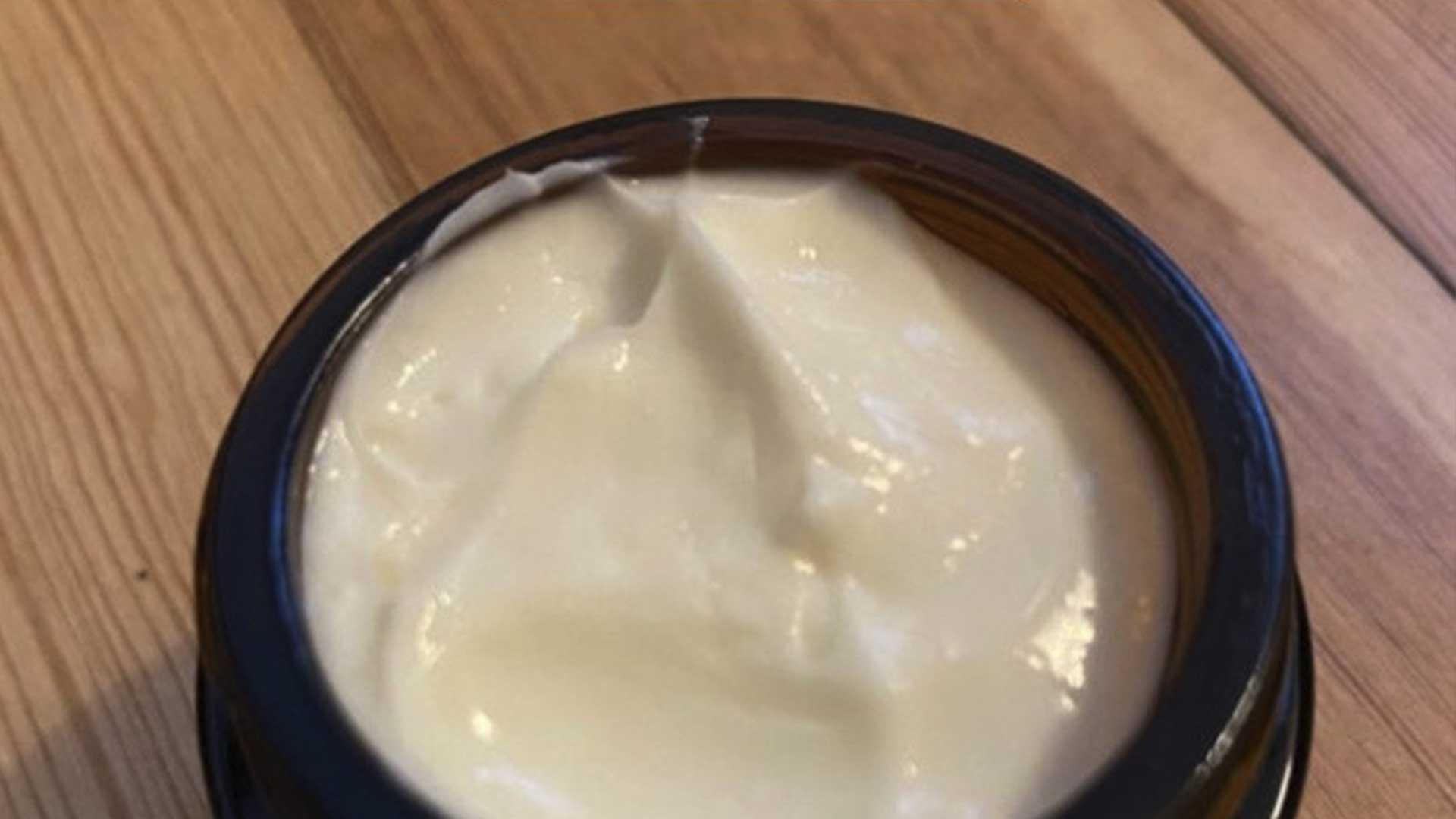
Water-free blends offer longer shelf life and deeper, more sustained absorption. For instance, if you’re dealing with deep muscle inflammation, you want a thick, rich body butter that sinks in slowly—delivering ingredients over time like a natural time-release formula.
Anhydrous options like butters and balms are ideal for:
- Pain blends
- Overnight eye creams
- Severely dry or cracked skin
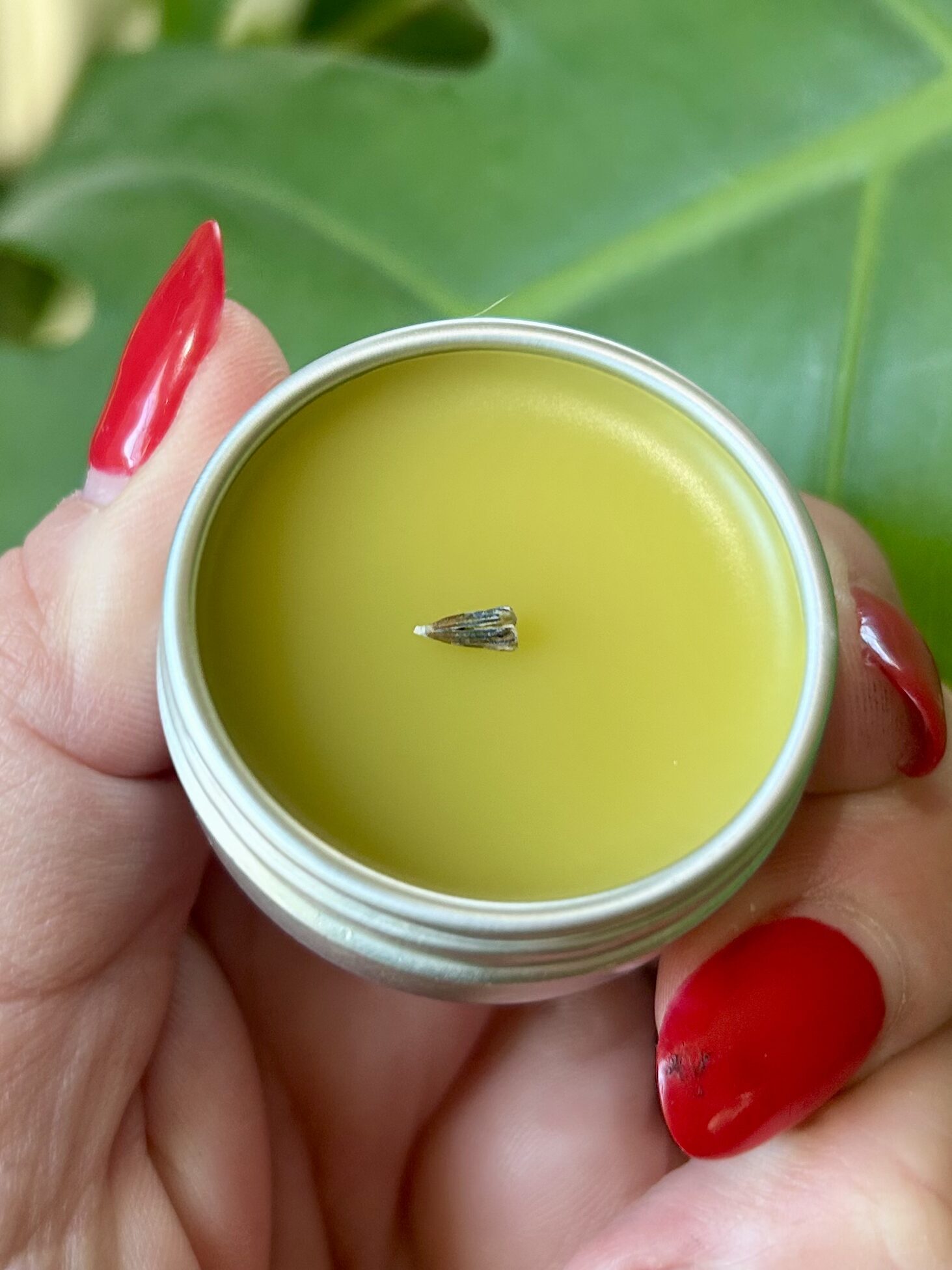
- Long-lasting herbal salves
On the flip side, hydrous sprays (made with water or alcohol) are better for quick-action products like room fresheners, surface cleaners, and germ sprays.
In Conclusion
Understanding the difference between hydrous vs. anhydrous skincare helps you make better, safer choices when formulating or purchasing natural remedies. When in doubt, stick with water-free. Your skin—and shelf—will thank you.