Henbit Not Dead Nettle: The Underrated Cousin of Purple Dead Nettle
Lamium amplexicaule and Why You Should Leave It Be
Meet Henbit
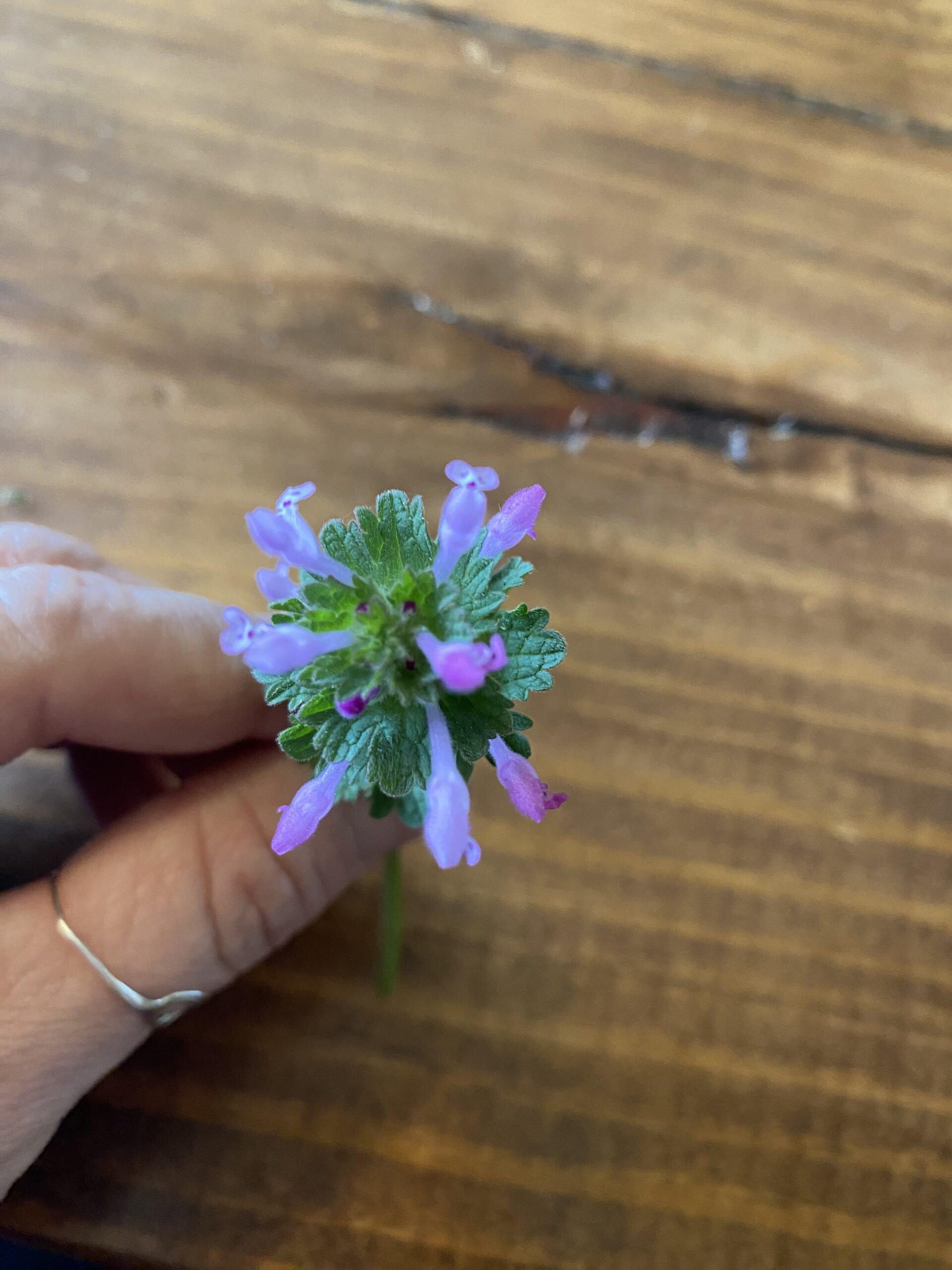
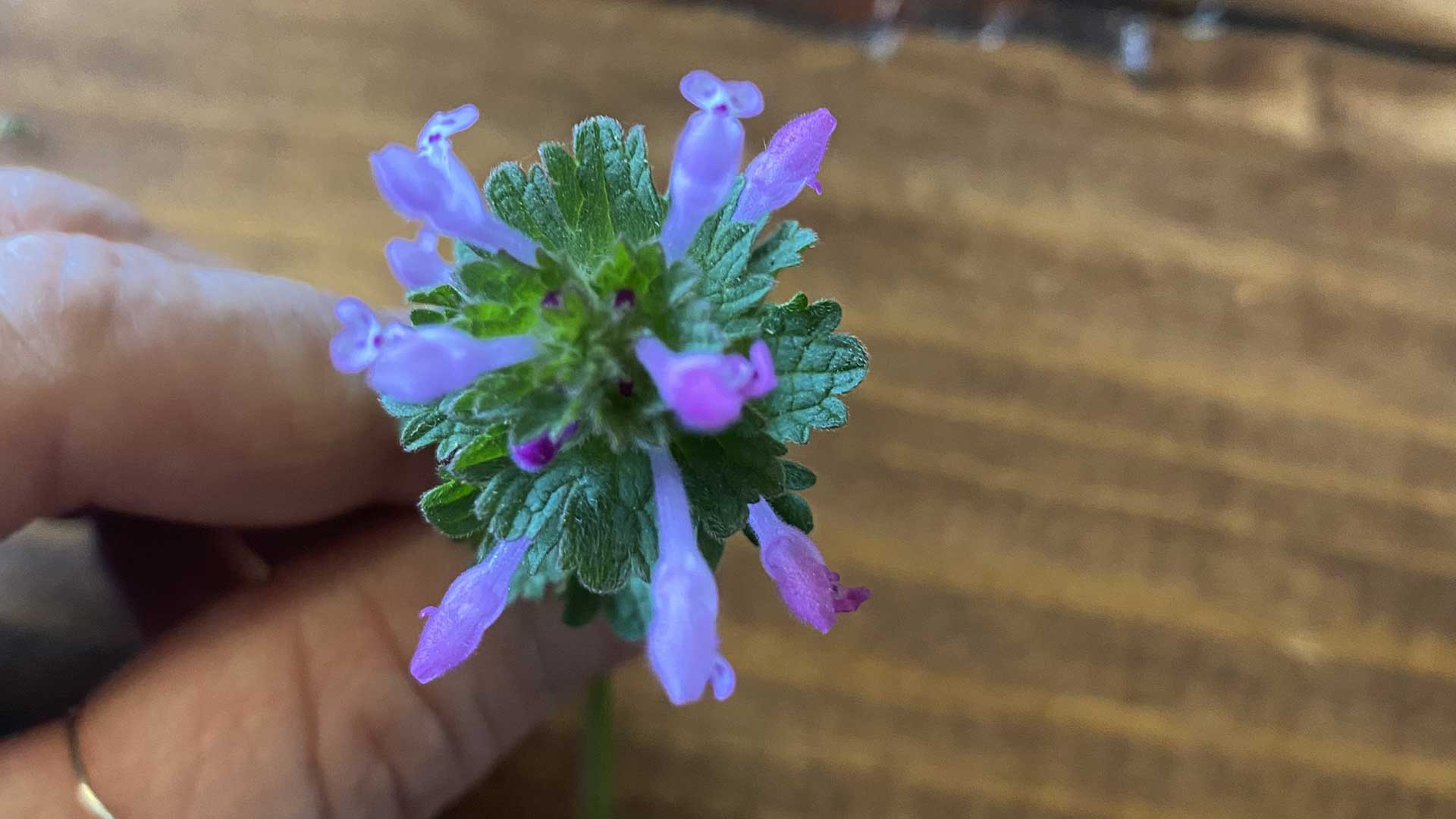
While Purple Dead Nettle (Lamium purpureum) tends to get the seasonal spotlight, it’s time to shine the light on its lesser-known cousin: Henbit (Lamium amplexicaule). The name amplexicaule refers to how the upper leaves “clasp” the stem—one of its coolest identifiers. Like Purple Dead Nettle, Henbit belongs to the mint family (Lamiaceae) and thrives across yards, fields, and roadsides in North America.
Henbit vs. Purple Dead Nettle
Both Henbit and Dead Nettle are non-native wild herbs, originally from Europe, Asia, and Northern Africa, and are now naturalized across North America. While similar at a glance, there are some key differences:
- Henbit flowers are longer and more slender
- Dead Nettle leaves near the top of the stem are tinged with purple
- Henbit leaves are scalloped, opposite, and stemless at the top
- Henbit has a square stem—a classic mint family trait
- Henbit tastes grassy, while Dead Nettle has a peppery flavor
You’ve likely seen fields of pinkish-purple Henbit flowers blooming in late winter or early spring. Bees and pollinators love them—and so do my ducks and chickens!
Health Benefits of Henbit
This so-called “weed” is actually a nutritional powerhouse, rich in:
- Iron, magnesium, manganese, calcium
- Vitamins A, C, E, and K
- Antioxidants and phytochemicals
Internal Uses:
Henbit tea is traditionally used to:
- Reduce chronic pain and inflammation (anti-rheumatic)
- Break fevers and ease discomfort (diaphoretic, febrifuge)
- Support digestive balance — mild laxative, helpful for diarrhea and indigestion
- Alleviate menstrual cramps and heavy bleeding
⚠️ Due to its effects on menstruation, pregnant individuals should avoid Henbit internally.
Stick to 6–8 ounces of tea until you know how your body responds, as it can have a gentle laxative effect.
External Uses:
Henbit also shines as a topical poultice. Thanks to its:
- Astringent
- Antiseptic
- Anti-inflammatory properties
It works well on cuts, scrapes, burns, stings, and other minor skin irritations—similar to Chickweed poultices.
Don’t Mow It. Don’t Spray It.
Henbit helps prevent erosion, feeds early-season pollinators, and offers a natural abundance of herbal medicine.
So next time you see a patch of Henbit, let it grow. Don’t spray. Don’t mow. Just enjoy this wild healer doing its quiet, important work.