

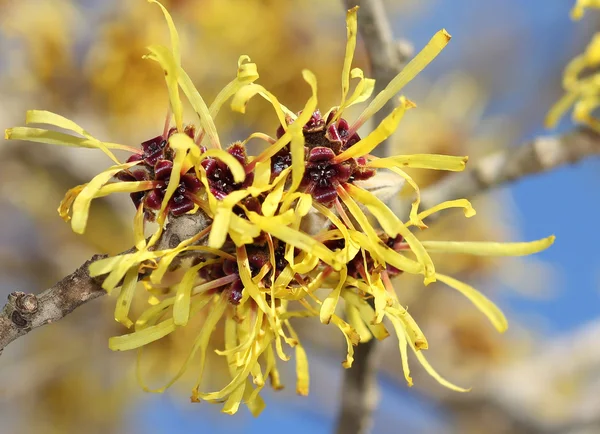
Witchy Woman: Witch Hazel – A Skincare & Healing Staple
A Natural Alternative to Rubbing Alcohol for Skin, Wounds & Wellness
A Gentle Remedy That Stands the Test of Time
With new skincare products constantly hitting the shelves and flooding our feeds, it’s hard to know what’s truly effective—and what’s truly natural. One timeless botanical that continues to shine is Witch Hazel (Hamamelis virginiana) the Witchy Woman herself, a North American native plant long used for both skincare and internal wellness.
While isopropyl alcohol is often seen as the go-to for acne and wounds, witch hazel offers a gentler, plant-based solution—with far fewer side effects and a richer history.
My Journey: Witch Hazel vs. Rubbing Alcohol
As a stubborn teenager battling acne, I used to reach for rubbing alcohol, convinced the sting meant it was working. But over time, I learned that it can strip the skin, damage the barrier, and leave you dry and irritated.
These days? Unless I’m formulating a specific product, I skip the alcohol and turn to witch hazel instead. It’s my go-to for toning, cleansing, soothing, and healing—without the burn.
Why Witch Hazel Works
Witch hazel extract is made from the bark and leaves of Hamamelis virginiana, a plant rich in tannins and antioxidants. Unlike isopropyl alcohol, it:
- Reduces inflammation
- Cleanses wounds naturally
- Tightens pores without overdrying
- Retains moisture, even on sensitive skin
- Offers mild antibacterial and antiviral support
This makes it ideal for daily skincare use for any Witchy Woman, especially for those with acne-prone, sensitive, or easily inflamed skin.
A Plant with Powerful History
Witch hazel is more than a skincare trend—it’s a traditional healer with some very cool traits. The plant’s fruit pods burst open and launch seeds up to 10 yards—earning it nicknames like the “pistachio tree” for its tiny, edible nuts.
Native American tribes used witch hazel bark to treat:
- Sores and swelling
- Tumors
- Eye inflammation
- Muscle aches via steam in sweat lodges
Medicinal & Skincare Uses of Witch Hazel
This plant is classified as astringent, tonic, anti-inflammatory (antiphlogistic), and mildly sedative. Its uses span generations and cultures.
Topical Uses:
- Cold sores
- Hemorrhoids
- Hives & insect bites
- Oily hair and skin
- Poison ivy or oak
- Sunburns
- Varicose veins (via compresses soaked in fresh leaf or twig extracts)
Internal Herbal Support:
In traditional herbalism, witch hazel tea has been used for:
- Excessive menstruation
- Bleeding from lungs, stomach, or bowels
- Supporting circulation and venous health
DIY Witch Hazel Tea
Want to try this healing herb the traditional way? Here’s a simple witch hazel tea recipe:
Ingredients:
- 1 tsp dried witch hazel bark or leaves
- 1 cup boiled water
Instructions:
- Steep for 10–15 minutes.
- Let cool and sip throughout the day.
This tea can be used as a gentle internal tonic or a soothing compress for wounds and irritation.
Why Witch Hazel Still Belongs in Every Home
Whether you’re battling blemishes, calming skin inflammation, or seeking a natural wound remedy, witch hazel offers a safe, effective, time-tested solution. Its ability to soothe, tighten, and protect makes it a true herbal skincare essential.
So next time you feel tempted by a harsh toner or sterile wipe, reach for nature’s original healer instead.